
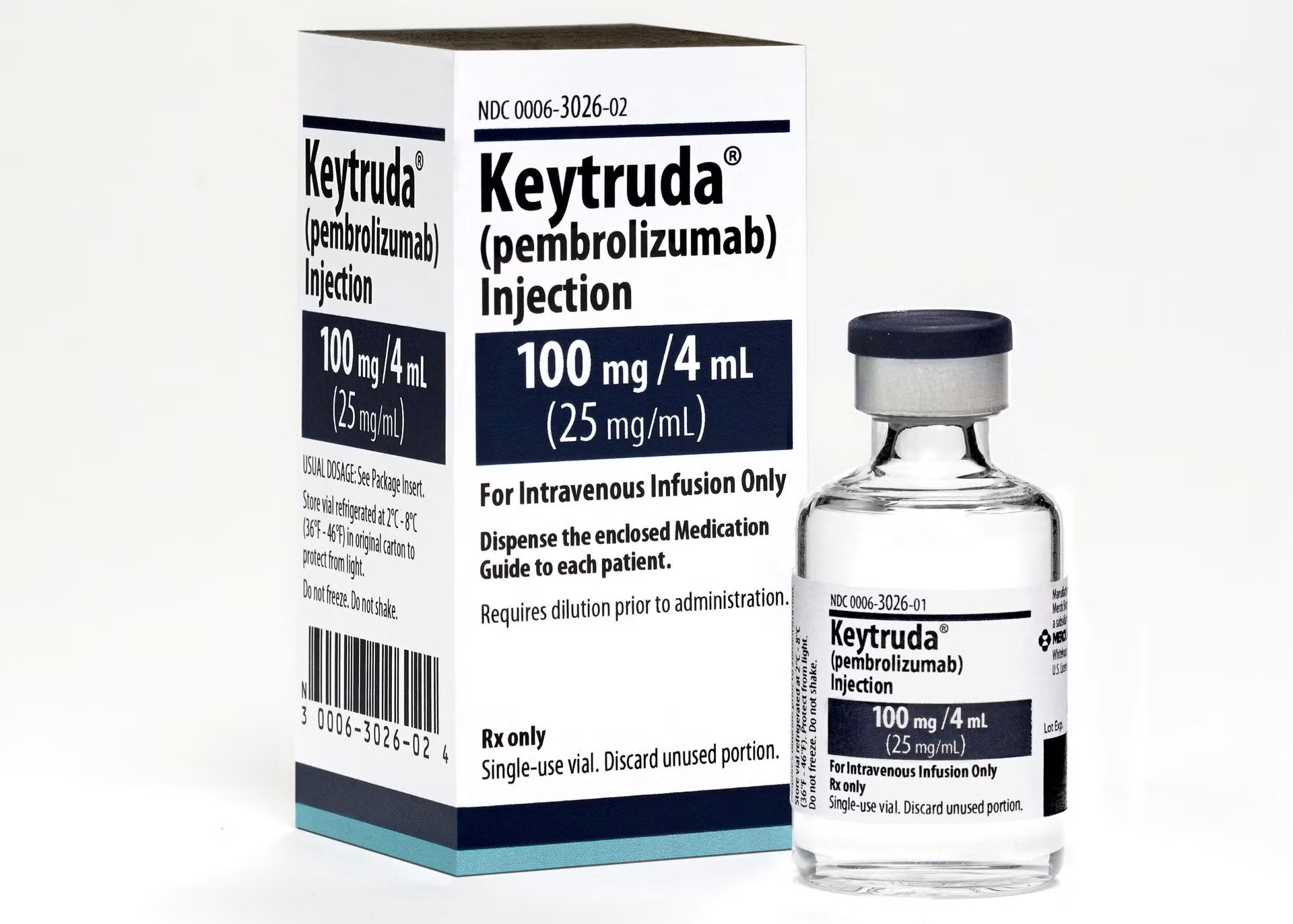
Keytruda 100mg

$7,500.00 Original price was: $7,500.00.$5,000.00Current price is: $5,000.00.
Keytruda 100mg (pembrolizumab) is a breakthrough cancer immunotherapy that helps the immune system fight lung, breast, bladder, and other cancers. It offers effective treatment with clinically proven results and improved survival rates.
Keytruda 100mg: Complete Guide to Uses, Effectiveness, and Cancer Treatment Success
Keytruda (pembrolizumab) 100mg stands as one of the most advanced immunotherapy treatments available today. Unlike traditional therapies, it empowers the immune system to actively detect and destroy cancer cells. As a result, many patients experience improved survival rates and better quality of life.
In this guide, you will discover how Keytruda works, what cancers it treats, how long treatment lasts, and what side effects to expect. Additionally, we will explore real patient outcomes and the latest FDA approvals.
Keytruda 100mg Commercial
First, Keytruda commercials have significantly increased awareness about immunotherapy. They highlight real patient journeys, which helps people better understand treatment possibilities. Moreover, these campaigns focus on hope, resilience, and innovation.
In addition, digital Keytruda advertising reaches patients actively searching for cancer treatment options. Therefore, it plays a key role in connecting patients with life-saving therapies.
How Does Keytruda Work
To begin with, Keytruda works by blocking the PD-1 pathway. Normally, cancer cells use this pathway to hide from the immune system. However, Keytruda stops that process.
As a result, the immune system recognizes and attacks cancer cells more effectively. Unlike chemotherapy, it does not directly kill cells. Instead, it strengthens the body’s natural defense system.
What Kind of Cancer Keytruda Medicine Can Help
Keytruda treats multiple types of cancer. For example, doctors commonly prescribe it for:
- Lung cancer
- Breast cancer
- Bladder cancer
- Liver cancer
- Colon cancer
- Skin cancer (melanoma)
Furthermore, ongoing research continues to expand its use. Therefore, more patients may benefit from this treatment in the future.
Keytruda and Lung Cancer
Most importantly, Keytruda plays a major role in treating non-small cell lung cancer. Doctors often use it as a first-line treatment.
In many cases, patients receive it alone or with chemotherapy. As a result, survival rates improve significantly compared to older treatments.
Keytruda Lung Cancer
Specifically, Keytruda works best in patients with high PD-L1 expression. Because of this, doctors test tumors before starting treatment.
Additionally, it helps in advanced and metastatic cases. Therefore, it has become a standard therapy worldwide.
How Long Can You Take Keytruda for Lung Cancer
Typically, patients take Keytruda for up to two years. However, doctors may adjust this timeline based on individual response.
For instance, some patients stop early due to side effects. On the other hand, others stop because they achieve remission.
How Long Can You Be on Keytruda
Generally, patients receive Keytruda every 3 to 6 weeks. Meanwhile, doctors closely monitor progress through scans and lab tests.
If the treatment works well, patients may continue for the full course. Otherwise, doctors may recommend alternative therapies.
Signs That Keytruda Is Working
At this point, many patients look for signs of improvement. Common indicators include:
- Tumor shrinkage
- Stable disease
- Reduced symptoms
- Increased energy
In addition, doctors confirm results using imaging tests. Therefore, regular checkups remain essential.
Keytruda Ovarian Cancer
Although Keytruda is not standard for ovarian cancer, it still helps in certain cases. For example, patients with MSI-H or dMMR tumors may benefit.
Moreover, clinical trials continue to explore its effectiveness. Therefore, its role may expand in the future.
Keytruda Liver Cancer
Similarly, Keytruda treats liver cancer, especially after other treatments fail. As a result, it offers new hope for patients with limited options.
Keytruda Colon Cancer Survival Rate
Importantly, Keytruda has improved survival rates in colorectal cancer patients with specific biomarkers. Compared to chemotherapy, it often delivers longer-lasting results.
Keytruda Prostate Cancer
Currently, doctors use Keytruda for prostate cancer only in select cases. Specifically, patients must have certain genetic markers.
Is Keytruda Approved for Prostate Cancer
At present, approval applies only to MSI-H or dMMR prostate cancers. Therefore, it does not serve as a general treatment option.
Keytruda Breast Cancer Estrogen Positive
In contrast, Keytruda shows limited success in estrogen-positive breast cancer. However, researchers continue testing combination therapies.
Keytruda for Breast Cancer
On the other hand, Keytruda works well for triple-negative breast cancer. When combined with chemotherapy, it significantly improves outcomes.
Keytruda Bladder Cancer
Notably, Keytruda serves as a key treatment for advanced bladder cancer. Doctors often recommend it when chemotherapy is not suitable.
How Effective Is Keytruda for Bladder Cancer
Clinical studies show strong results. In many cases, patients experience longer survival and fewer complications.
Keytruda Clinical Studies
Over time, numerous studies have confirmed Keytruda’s effectiveness. These studies show:
- Improved survival rates
- Long-lasting responses
- Better tolerance
Therefore, Keytruda remains a leading immunotherapy drug.
Keytruda QLEX FDA Approval
Recently, the FDA has approved Keytruda for multiple cancer types. Each approval reflects strong clinical evidence.
Merck Keytruda Injection Approval
Merck successfully developed the injectable version of Keytruda. Doctors administer it intravenously in clinical settings.
Merck Wins FDA Approval for a Subcutaneous Formulation of Keytruda
More recently, Merck introduced a subcutaneous version. As a result, patients can receive treatment faster and more conveniently.
Merck Keytruda Subcutaneous FDA Approval
This innovation reduces treatment time significantly. Therefore, it improves patient comfort and clinic efficiency.
Keytruda Ocular Side Effects
Although rare, some patients experience eye-related side effects. These include:
- Dry eyes
- Blurred vision
- Inflammation
If symptoms appear, patients should contact their doctor immediately.
What Are the Side Effects of Keytruda
Like all medications, Keytruda causes side effects. Common ones include:
- Fatigue
- Nausea
- Skin rash
- Diarrhea
However, more serious immune-related reactions may occur. Therefore, close monitoring is essential.
Padcev Keytruda Side Effects,Keytruda 100mg
When combined with Padcev, side effects may increase. For example:
- Nerve damage
- Skin reactions
- Severe fatigue
Because of this, doctors monitor patients carefully during combination therapy.
How Long Do Keytruda Side Effects Last
Side effects vary from person to person. Some resolve quickly, while others last longer.
In certain cases, immune-related effects require additional treatment. Therefore, early reporting helps manage complications.
How Long Can You Take Keytruda for Lung Cancer
As discussed earlier, most patients continue treatment for up to two years. However, individual outcomes may differ.
Keytruda Success Stories
Encouragingly, many patients report life-changing results. These success stories often include:
- Long-term remission
- Improved quality of life
- Extended survival
As a result, Keytruda continues to gain global recognition.
Keytruda Patient Stories
Real patient experiences provide valuable insights. In fact, many patients describe renewed hope and strength during treatment.
Keytruda Advertising
Finally, Keytruda advertising focuses on education and trust. It highlights real outcomes and encourages patients to explore treatment options.
Consequently, more people now understand the benefits of immunotherapy.
Final Thoughts
In conclusion, Keytruda 100mg has transformed cancer treatment. It offers a powerful alternative to traditional therapies while improving survival and quality of life.
Moreover, ongoing research continues to expand its applications. Therefore, the future of cancer treatment looks increasingly promising.
Reviews
There are no reviews yet.